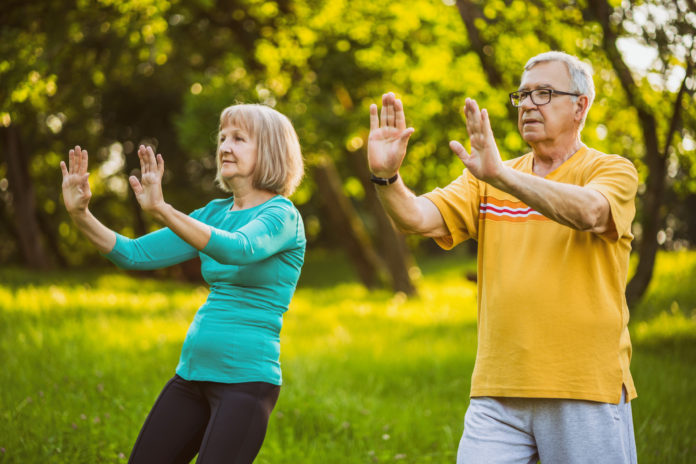
Tai Chi, Oxytocin and the fight against Covid-19
Our bodies produce a hormone called Oxytocin, which is often referred to as the love hormone. Oxytocin is related to feelings of happiness and wellbeing and is produced by the body at moments of physical affection and intimacy, hence the nickname. In addition to intimacy though, there are many activities that have been shown to give rise to the production of Oxytocin including exercise, meditation and deep, slow, natural breathing.
This is great news for those of us who regularly practice Tai Chi, Qigong, meditation and Yoga, and goes some way to explaining why we feel so great after a session. Training together in groups has also been shown to elevate oxytocin levels to an even greater extent than solitary practice.
Last month (April 2020), a paper was published in the Clinical Neuropsychiatry Journal of Treatment Evaluation which suggested that Oxytocin could be instrumental in reducing the severity of Covid-19. The evidence is compelling and there are a number of serious European studies currently underway to (hopefully) confirm the hypothesis. You can download the paper using the link at the bottom of this post.
The long and the short of it is that, if the theory is correct, regular Tai Chi, Qigong and meditation can make a very real difference in your body's ability to cope with and control the virus. The effect will be even greater if you train in a group.
Lockdown has given us plenty of time to train, but converting good intentions into practice can prove difficult. Regular face to face classes are still some way off, so why not consider joining us for our free popular Qigong for Health class every Saturday morning at 11am where we spend an hour and a half practising some gentle exercises and finishing with a guided meditation. At the very least, you'll feel great after making some space in your day to relax, and at best you'll boost your Oxytocin levels and bolster your body's ability to counter the Coronavirus if you're unfortunate enough to pick it up!
To take part in the class, email info@taichipreston.co.uk for details.

Oxytocin a possible treatment for Covid-19: Everything to gain, nothing to lose.

Spring Sunshine & Chen Xiaowang
It feels like an age since we were able to gather together in one place to train, but this beautiful weather at least provides the opportunity to practice our forms or a spot of Qigong outside in the garden.
Don't forget, we have a free virtual Qigong class at 11am every Saturday morning which is open to absolutely anyone. We run through a few simple exercises and finish with a mindfulness meditation. If you'd like to get involved, email info@taichipreston.co.uk for details.
This week's video post is a short video featuring Chen Xiaowang which talks about both his personal history, and the broader history of Tai Chi.
Enjoy...
Chen Zhenglei Federation online
Our real life physical classes may be on hold for the time being, but that doesn't mean we can't still practice.
We're running a weekly Qigong and Mindfulness session online every Saturday morning at 11am. It's completely free of charge and open to any and everyone.
To get involved, just drop an email to info@taichipreston.co.uk
For a little Tai Chi action, check out the Chen Zhenglei Federation's website for a random free streaming video of GrandMaster Liming Yue and other Tai Chi Centre instructors...

Four Types of Taijiquan
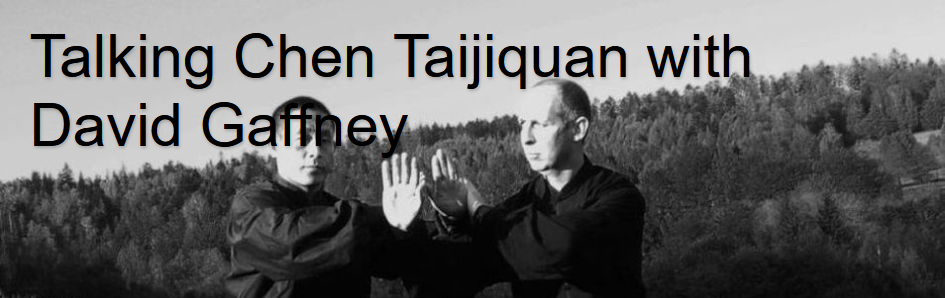
This weeks link is to a blog piece from David Gaffney's excellent Chen Taijiquan World Blogspot which discusses the different reasons that people practice Tai Chi and puts the emphasis we place on internal movement during classes into some context...
Fall Prevention: Why Every Aging Adult Should Learn Tai Chi
We all know someone who's elderly and prone to the occasional fall. Did you know that studies have demonstrated that regular Tai Chi practice can dramatically reduce the rate of falls and injuries in elderly practitioners?
This week's link is to an article on The Doctor Weighs In science and health website which talks about the importance of fall prevention in aging adults and examines at the science behind studies which recommend Tai Chi as valuable tool in preventing falls as we get older.