In September 2015 Ling Shui opened the doors on our Saturday morning Bamber Bridge class for the very first time. Since that humble beginning, we've moved location three times, weathered a global pandemic and openend up another five weekly classes in various locations.
In order to mark our first 10 years we'll be organising a number of events throughout the year, kicking off with the second instalment of our "Xin Jia First 15" seminar later this month. February sees our annual Chinese New Year celebrations to welcome in the year of the Snake with a full day of Tai Chi/Qigong, followed by a Chinese banquet in the evening. In September we'll be joined by guest instructor
Chen Taijiquan Illustrated by David Gaffney & Davidine Sim
David Gaffney for an afternoon seminar looking at Lao Jia Yilu. In addition to running The officially affiliated UK branch of the Chen Jiagou school, David is an accomplished author with several Tai Chi books to his name including "Chen Taijiquan Illustrated", which we recommend as a course handbook to all new students. We'll also be running our other usual Tai Chi and Qigong seminars throughout the year.
As if that wasn't enough, we'll be sending a delegation to take part in Master Chen Ziqiang's March seminar, Master Wang Hai Jun's residential double sabre seminar in April and Grand Master Chen Zhenglei's annual UK seminar in May. That's not to mention our various weekly classes in Penwortham, Bamber Bridge, Chorley, Lostock Hall and Tarleton.
While it's the quality of your practice that really matters, it doesn't hurt to look good while you're at it. To that end, we thought we'd milk the 10th anniversary concept for all it was worth and have put together some rather glamorous t-shirts and hoodies to set you apart from the hoi polloi. You'll find details and an order form here in our members area.
With so much happening this year, it's the perfect time to join us, so if you've been curious to find out more about Tai Chi there's no better time to take the plunge. Head over to our Beginners page and book your place now!
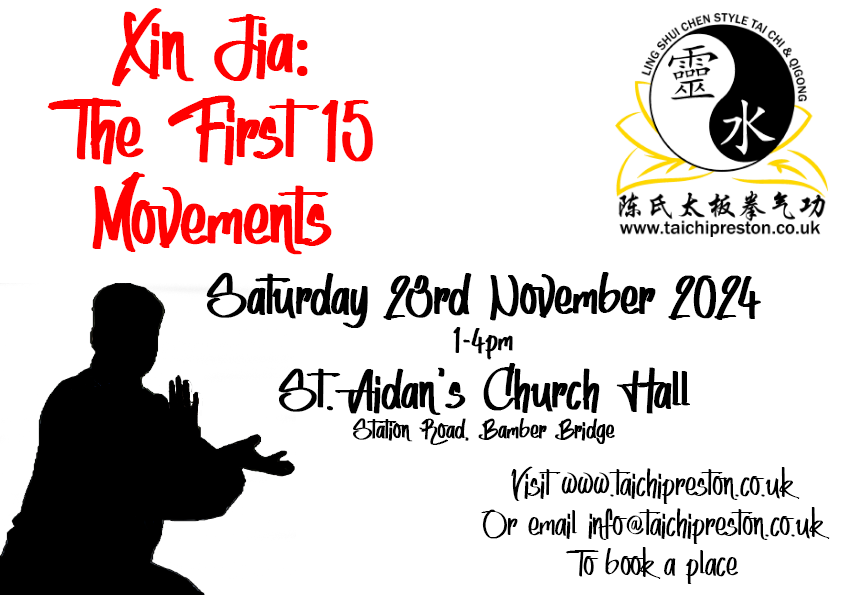
As Autumn draws in we thought it would be nice to squeeze one more seminar in before the end of the year so we've booked St. Aidan's Church Hall for the afternoon of Saturday November 23rd for a 3 hour refresher session looking at the first 15 movements of Xin Jia (or the 15 form as it's known to most club members). It will be a great opportunity to remind yourself of the sequence, improve your knowledge of the finer points of the form and practice moving from the centre. Head over to our seminar page to reserve yourself a place on the seminar.
Click above to book your place on the seminar
Xin Jia Yilu, often referred to as the 83 Form or the "New Frame, First Routine," is a relatively modern development within Chen-style Tai Chi. The "New Frame" (Xin Jia) was created by Chen Fake (1887–1957), a 17th-generation master of the Chen family, who revolutionized the traditional Chen-style Tai Chi by refining and evolving the original forms. Xin Jia Yilu is the first routine of this New Frame and is seen as an adaptation and extension of the "Old Frame" (Lao Jia) created by earlier generations of the Chen family.
Origins of Xin Jia
The development of Xin Jia Yilu began during Chen Fake’s lifetime, particularly when he moved to Beijing in the early 20th century. Chen Fake was already highly respected for his mastery of Lao Jia, but his approach to the art evolved significantly during this period. As a response to the demands of the modern world and perhaps as a result of his deepening understanding of internal energy cultivation (neigong), Chen Fake began to introduce new elements to the traditional Chen-style form.
While Lao Jia is rooted in the teachings of Chen Wangting, the 9th-generation patriarch of Chen-style Tai Chi, who synthesized martial techniques with the Daoist principles of yin-yang and qi circulation, Chen Fake saw an opportunity to refine the movements. He introduced subtle but profound modifications to express greater complexity and sophistication. His changes led to the creation of two New Frame routines—Xin Jia Yilu (First Routine) and Xin Jia Er Lu (Second Routine)—with Yilu focusing on foundational techniques and Er Lu emphasizing explosive power (fajin).
At Ling Shui we practice our Tai Chi in the style of Master Wang Haijun. Here he is performing the first 15 movements of Xin Jia:
Differences Between Xin Jia and Lao Jia
While both Xin Jia and Lao Jia maintain the core principles of Chen-style Tai Chi, including circularity, spiralling energy (chan si jin), and the integration of softness and hardness, there are notable differences between the two. These differences reflect not only Chen Fake's innovations but also his deepening mastery of the art.
Spiralling Energy (Chan Si Jin): Both frames emphasize the concept of chan si jin, or "silk-reeling energy," which involves a continuous spiralling motion in the limbs and torso to generate power. However, Xin Jia places a greater emphasis on this principle, with more pronounced spiralling and twisting movements, allowing for finer control of internal energy.
Size and Complexity of Movements: Lao Jia tends to feature larger, more expansive movements that are relatively simple and fluid. In contrast, Xin Jia introduces more compact, intricate, and detailed movements. The smaller circles and increased complexity in Xin Jia challenge practitioners to control their internal energy (qi) more precisely and promote deeper coordination between the upper and lower body.
Fajin (Explosive Power): While both forms contain elements of fajin, the explosive release of energy, Xin Jia incorporates this principle more frequently and dramatically. In Lao Jia, fajin tends to be reserved for specific points in the form, whereas Xin Jia integrates fajin more seamlessly throughout, reflecting the increased intensity and internal power cultivated in this form.
Transitions and Flow: The transitions between movements in Xin Jia are more intricate and connected by internal energy flows, requiring practitioners to pay closer attention to the subtle connections between movements. Lao Jia emphasizes a smoother, more continuous flow, while Xin Jia often includes dynamic contrasts between soft and hard movements, reflecting a more complex understanding of yin-yang principles.
Internal Cultivation: Xin Jia focuses heavily on internal energy cultivation, emphasizing the role of the dantian (energy centre) in guiding movements. Practitioners of Xin Jia must maintain a heightened awareness of internal processes such as the movement of qi through the meridians, which in turn helps to inform the outward physical movements.
The Nature of Xin Jia Yilu
Xin Jia Yilu is a practice that demands a high level of internal awareness and energy management. While it's rooted in the same martial principles as Lao Jia, the New Frame goes beyond basic martial techniques and becomes a study of the internal workings of the body. Practitioners are encouraged to connect deeply with their internal energy, and movements must be executed with a level of precision that reflects this heightened awareness.
In the first routine, Xin Jia Yilu, practitioners focus on the fundamental movements that define Chen-style Tai Chi, but they are performed with a greater focus on internal dynamics and spiralling energy. This routine is an essential foundation for understanding the more advanced practices within Xin Jia, such as Er Lu, which focuses on fajin and combat applications. However, Yilu itself is considered both a comprehensive martial training and a meditative, health-promoting practice.
So there you have it! Xin Jia Yilu represents the continued evolution of Chen-style Tai Chi, a balance between tradition and innovation. While it maintains the core principles of the Chen family’s martial art, it also introduces new complexities and internal energy work that challenge practitioners at both a physical and mental level. This form showcases the richness of Chen Tai Chi, embodying centuries of wisdom while adapting to the modern practitioner's need for a deeper understanding of internal martial arts.
The Liu Zi Jue, also known as the Six Healing Sounds, holds a special place in Traditional Chinese Medicine (TCM) offering a unique approach to health and well-being. We're delighted to announce that Feixia Yu from the UCLan Confucius Institute will be joining us this October for an afternoon learning and practicing this ancient health Qigong exercise.
Click to reserve a place at our Autumn Liu Zi Jue seminar
Liu Zi Jue, which translates to “Six Word Formula,” dates back over a thousand years. The earliest written records can be traced to the Southern and Northern Dynasties (420-589 AD), making it one of the oldest known Qigong practices. The exercises were further refined and popularised during the Tang (618-907 AD) and Song (960-1279 AD) Dynasties. Over the centuries, respected TCM practitioners and scholars documented its techniques and benefits and today it's deeply embedded into the fabric of Chinese health practices.
The essence of Liu Zi Jue lies in its simplicity and profound effectiveness. Each of the six sounds corresponds to a different organ and meridian in the body. The sounds, when pronounced correctly, are believed to vibrate specific organs, expelling stagnant Qi (vital energy) and replenishing it with fresh, vital energy. This practice aligns with the TCM philosophy of maintaining balance and harmony within the body to ensure health and vitality.
The video below features Master Faye Yip from the British Health Qigong Association demonstrating the form:
The Six Healing Sounds Explained
The Liu Zi Jue sequence involves six distinct sounds, each associated with a particular organ and its corresponding element:
Xu (Shu) – Liver (Wood)
He (Her) – Heart (Fire)
Hu (Hoo) – Spleen (Earth)
Si (Sss) – Lungs (Metal)
Chui (Chway) – Kidneys (Water)
Xi (Shee) – San Jiao (Triple Burner/Heater)
Practitioners of Liu Zi Jue perform these sounds while engaging in gentle, flowing movements. This combination of vocalisation and motion is designed to stimulate the internal organs, promoting the smooth flow of Qi and aiding in the detoxification and revitalisation processes.
Health Benefits According to Traditional Chinese Medicine
The benefits of Liu Zi Jue are extensive and multifaceted, reflecting the holistic nature of TCM. Here are some key advantages:
Enhancing Qi Circulation: By clearing blockages and ensuring the free flow of Qi, Liu Zi Jue helps maintain overall energy balance. This is crucial for preventing illness and sustaining vitality.
Detoxifying the Organs: The vibrations produced by the specific sounds help in detoxifying the organs, expelling toxins, and rejuvenating organ function.
Boosting Immunity: Regular practice strengthens the immune system, making the body more resilient against infections and diseases.
Reducing Stress and Anxiety: The meditative aspect of the practice, combined with controlled breathing and sound production, has a calming effect on the mind, reducing stress and anxiety levels.
Improving Respiratory Health: Particularly the “Si” sound for the lungs, helps in clearing respiratory pathways, making it beneficial for individuals with respiratory issues.
Supporting Digestive Health: The “Hu” sound targets the spleen and stomach, aiding in digestion and improving metabolic processes.
Embracing Liu Zi Jue Today
In today’s frenetic world, the gentle practice of Liu Zi Jue offers a sanctuary of calm and healing. Whether you’re seeking to enhance your physical health, manage stress, or simply explore an ancient tradition, incorporating the Six Healing Sounds into your daily routine can be immensely rewarding.
The beauty of Liu Zi Jue lies in its accessibility. You don’t need any special equipment or a specific location, just a quiet space where you can focus on your breath, sounds, and movements.
With that in mind, we're delighted to announce that accomplished Qigong practitioner and instructor Feixia Yu will be joining us this Autumn for an afternoon learning and practising Liu Zi Jue and Qigong meditation. The seminar will be taking place in St. Aidan's Church Hall, Bamber Bridge from 1 - 4pm on Saturday 5th October and is sure to be popular, so head over to our Seminar booking page to reserve your place now.
Our popular Thursday early evening Qigong for Health classes have returned to Tarleton Library, with funding secured to provide sessions for the foreseeable future.
The classes are open to the public and free of charge but places are limited, so you'll need to pop into the library to book a place if you'd like to take part. For directions to the library, click here.
The sessions are suitable for both beginners and experienced practitioners alike, with a focus on a variety of easy to learn traditional Qigong exercises aimed at promoting physical and mental wellbeing.
One of the exercise sequences you'll encounter at the session is the Ba Duan Jin, also known as the “Eight Pieces of Brocade”. It's a traditional form of Qigong that's been practised in China for nearly a thousand years.
Its origins can be traced back to the Song Dynasty (960–1279AD). According to legend, General Yue Fei developed these exercises to improve the health and fitness of his soldiers, although historical evidence supporting this claim is limited. Regardless of its exact origins, the Ba Duan Jin has been valued in China for its simplicity and effectiveness for centuries.
The Ba Duan Jin consists of eight distinct movements, each targeting different aspects of physical and mental well-being. The term “Eight Pieces of Brocade” suggests something precious and beneficial, reflecting the value these exercises provide.
The Eight Exercises of the Ba Duan Jin
Regular practice of the the Ba Duan Jin bestows a number of health benefits, including:
Improved Flexibility and Strength: Each movement gently stretches and strengthens various muscle groups, enhancing overall flexibility and muscle tone.
Better Balance and Coordination: The slow, deliberate movements of the Ba Duan Jin improve balance and coordination, which can be particularly beneficial for older adults.
Enhanced Circulation and Cardiovascular Health: The rhythmic nature of the exercises promotes blood flow and supports a healthy cardiovascular system.
Stress Reduction: The Ba Duan Jin incorporates deep breathing and mindful movement, which help to calm the mind and reduce stress levels.
Increased Energy Levels: Practitioners often report feeling more energised and alert after practising the Ba Duan Jin, due to improved circulation and balanced Qi (vital energy).
Improved Digestion: Certain movements are believed to stimulate the digestive system, promoting better digestive health.
Joint Health: The gentle, flowing motions are easy on the joints, making the Ba Duan Jin suitable for individuals with arthritis or other joint issues.
Mental Clarity and Focus: The meditative aspect of the Ba Duan Jin helps to clear the mind, enhancing concentration and mental clarity.
The relatively gentle and straightforward exercises of the Ba Duan Jin make it accessible to people of all ages and fitness levels. It provides an holistic approach to health, benefiting the body, mind, and spirit.
Here's a video of Master Faye Yip from the Chinese Health Qigong Association UK demonstrating the exercises:
If your interest is piqued, why not join us at Tarleton Library every Thursday at 4pm, or in St. Aidan's Church Hall in Bamber Bridge at 11am on a Saturday morning? You'll find full details of all our sessions on our website, here.
The origins of the Chinese sabre, known as the dao (刀), can be traced back to the Shang dynasty (c. 1600–1046 BCE), where warriors used bronze versions of the dao. However, it was during the Han dynasty (206 BCE – 220 CE) that the dao truly began to take shape as a distinct weapon. Initially, it was a straight-bladed weapon, but over time, its design evolved to include a curved blade, which enhanced its slashing capabilities.
Over the course of Chinese history, the dao became an integral part of warfare, with various dynasties refining its design and techniques. It was during the Ming dynasty (1368–1644 CE) that the dao reached its zenith in terms of design and martial application. Masters of martial arts schools developed intricate forms and techniques specifically tailored for the dao, emphasizing its versatility and lethality on the battlefield.
Grandmaster Chen Zhenglei practicing Sabre
The design of the Chinese sabre is characterized by its single-edged, curved blade, which facilitates powerful slashing and chopping movements. The curvature of the blade allows for fluid cutting motions, making it a formidable weapon in close combat. Traditionally, the blade was forged from high-carbon steel and tempered to achieve optimal strength and flexibility. The hilt of the dao typically features a guard to protect the wielder's hand and a pommel for balance.
Master Wang Haijun teaching the Sabre form
Chen Style Tai Chi incorporates the use of the dao. Practitioners learn to wield the dao with precision and fluidity, incorporating Tai Chi principles such as relaxation, balance, and internal energy (qi) cultivation. Movements with the dao are executed with grace and efficiency, combining circular motions with bursts of power.
We'll be hosting a seminar looking at the Chen Sabre form over the afternoons of 7th & 8th June where you'll practice holding and using the sword before learning the form itself. Because of the space required to practice the form places will be limited and swords will be provided for those who don't have their own, so head over to our seminar booking page now to reserve your place.
Last month we were joined in our Chinese New Year celebrations by UCLan Confucius Institute's director, Feixia Yu, for an afternoon studying and practicing the Ba Duan Jin. This wasn't the first time that Feixia has been gracious enough to act as a guest instructor for us and all of the many people who've attended her seminars over the last few years will know just what an outstanding teacher she is.
This May, Feixia will be hosting a week long Qigong retreat in Le Puget, France. She'll be joined on the retreat by Professor Vivienne Lo and Dr. Dolly Yang, both of whom are experts in Chinese culture and medicine.
The retreat will offer a chance to explore the finer details of the movements, acupuncture points and energy flows, along the associated meridians, in the four classical qigong routines: Baduanjin, Yijinjing, Five-Animal Frolics and Six Healing Sounds.
Click the image below for further details and to book a place at the retreat.
Click for more details, or to book yourself a place
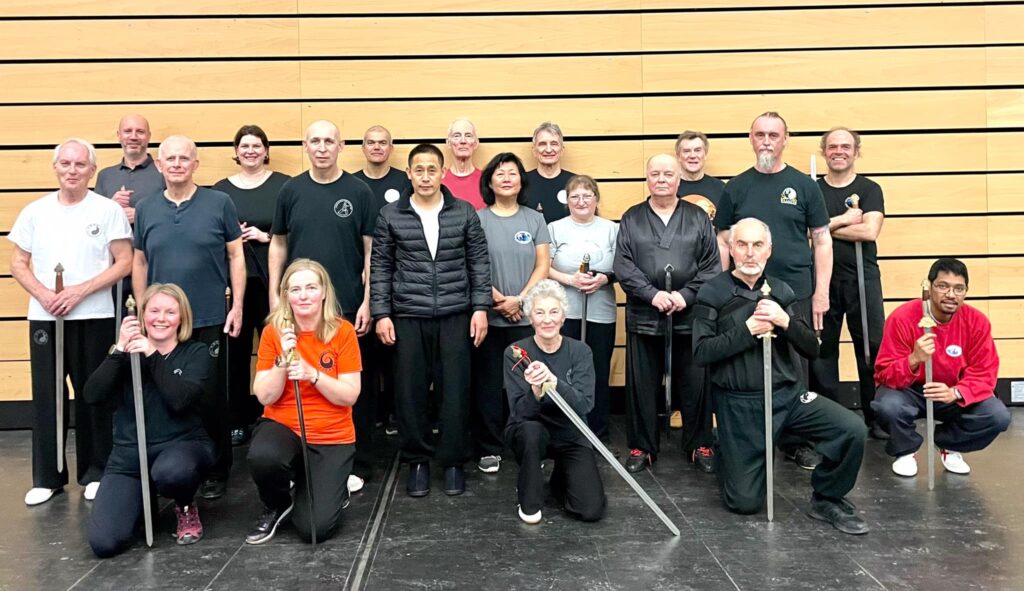
Master Chen Ziqiang visited the North West as a guest of Chen Taijiquan GB last week to host a number of seminars and we were fortunate enough to join him to study the 49 movement straight sword form.
The Chinese straight sword or Jian, is a beautiful and ancient weapon closely associated with Tai Chi and with Daoism in general. The Jian is a flexible blade that isn't able to meet force with force, instead the blade is used to deflect and redirect blows before delivering a slash or stab of its own.
The blade itself is usually considered as consisting of three parts, each used for different offensive and defensive techniques. The tip of the blade is the jiànfeng, meant for stabbing, slashing, and quick percussive cuts. The middle section is the zhongren or middle edge, and is used for a variety of offensive and defensive actions such as cleaving cuts, draw cuts, and deflections. The section of blade closest to the guard is called the jiàngen or root, and is mainly used for defensive actions such as deflecting an opponents strike.
The 49 Movement form stretches and strengthens the body's joints through a series of open and expansive postures. Flexibility in wrists and hands, lightness of footwork and agility in the waist are all hallmarks of the sword form which, when performed correctly, is said to resemble a dragon swimming through water.
The nature of the weapon lends itself naturally to the principles of Tai Chi. Often called the "Scholars Sword", it's difficult to master and swordplay is characterized by balanced body positions and a mixture of both defensive and offensive techniques. The fluid body movements, powerful thrusts and rapid swings, are synchronized into a beautifully flowing rhythm. The form itself is a developmental exercise teaching the relaxation and extension of energy. Sword practice aids general Tai Chi practice by improving balance, building strength and focusing the mind.
Over three evenings, Master Chen walked the group through every movement comprising the first half of the form, allowing practitioners of all levels an opportunity to improve their form.
There are video link below is to a publically viewable video on Master Chen Ziqiang's Facebook page which features him stepping through the form one movement at a time during a seminar.
Master Chen Ziqiang 49 Movements Straight Sword Form Seminar Practice
This second video features Grand Master Chen Zhenglei performing the form. It differs slightly from Chen Ziqiang's version, but is essentially the same and is how we aspire to perform it at Ling Shui.
Each year we like to mark the advent of the lunar New Year with a day of Tai Chi related events. This year was no different and started at 10am on New Year's Day with a 2 ½ hour Tai Chi session involving silk reeling exercises, a little Zhan Zhuang meditative standing and practice and correction of Lao Jia Yilu section 1.
The afternoon saw guest instructor Feixia Yu from UCLan's Confucius Institute lead us in a detailed look at the ancient Ba Duan Jin Qigong exercises in between cups of green tea and New Year sweet treats.
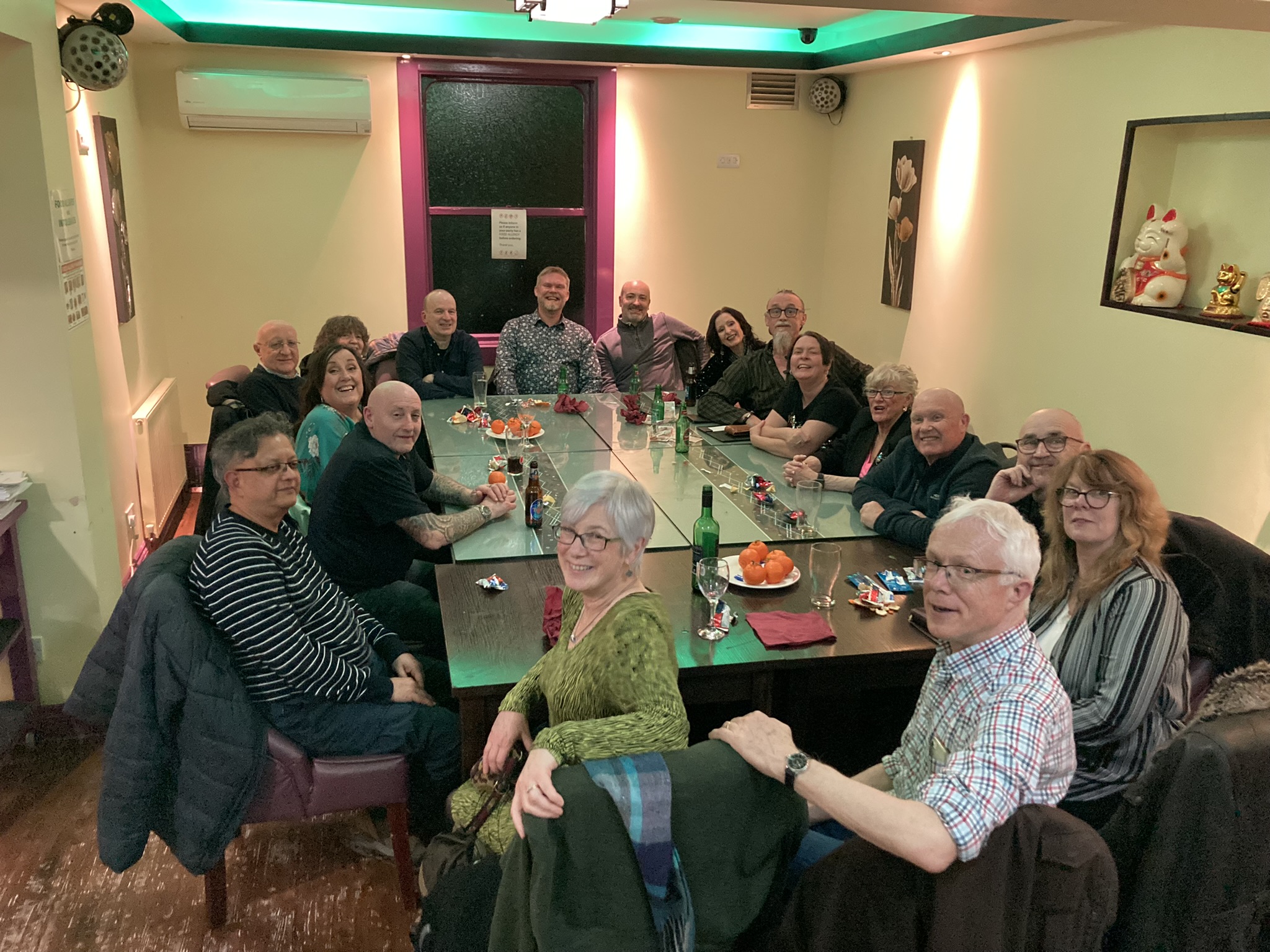
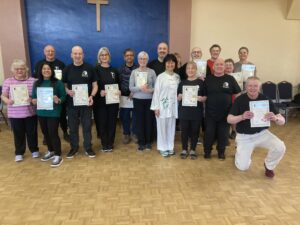
After a short break to freshen up, those of us with time and energy left gathered for a couple of drinks before heading to Tang TV Chinese Restaurant in Preston for a fantastic banquet.
I think it's safe to say that a great day was had by everyone who attended any or all of the events. You'll find photographic proof in our Seminars photo gallery, here.
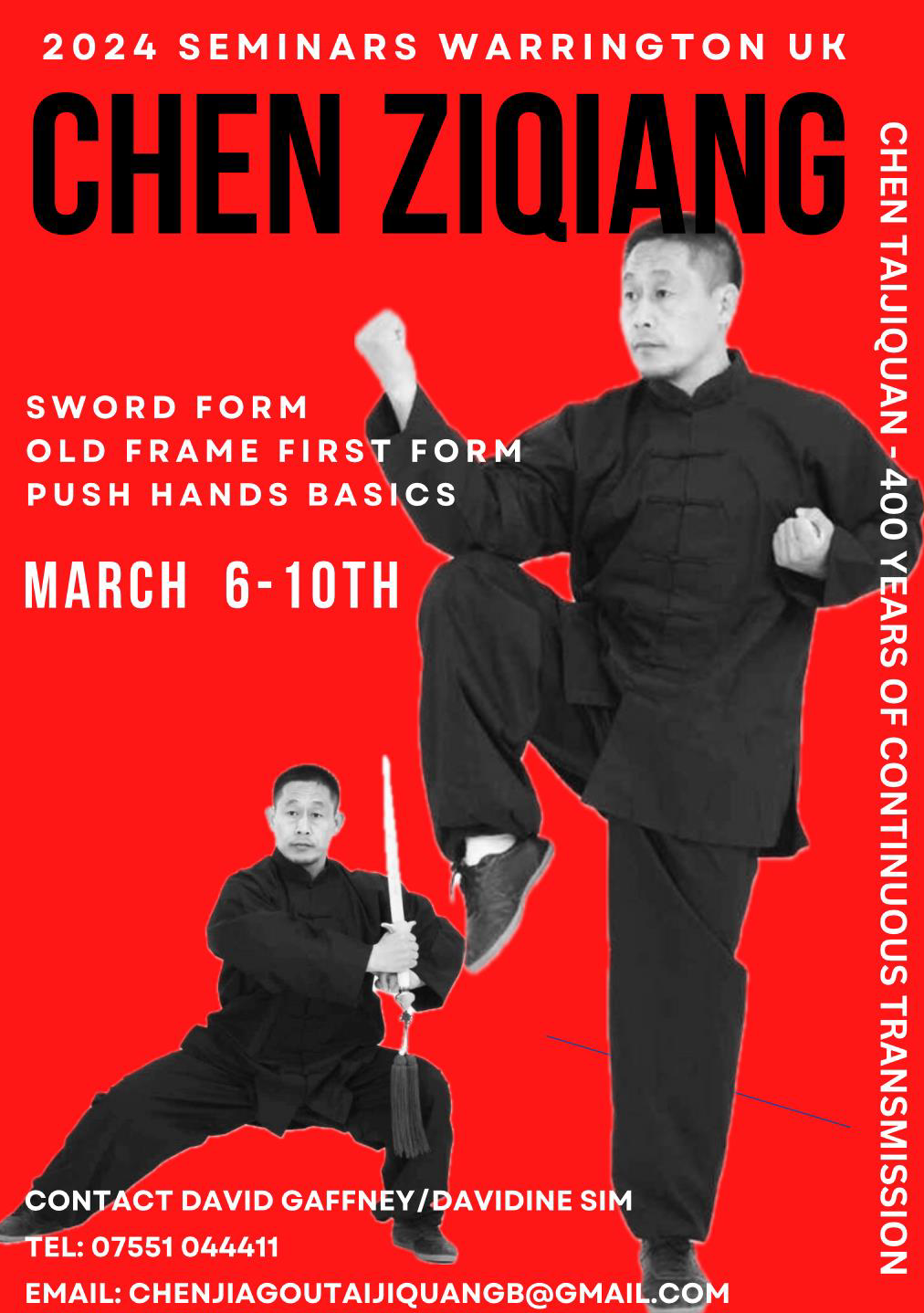
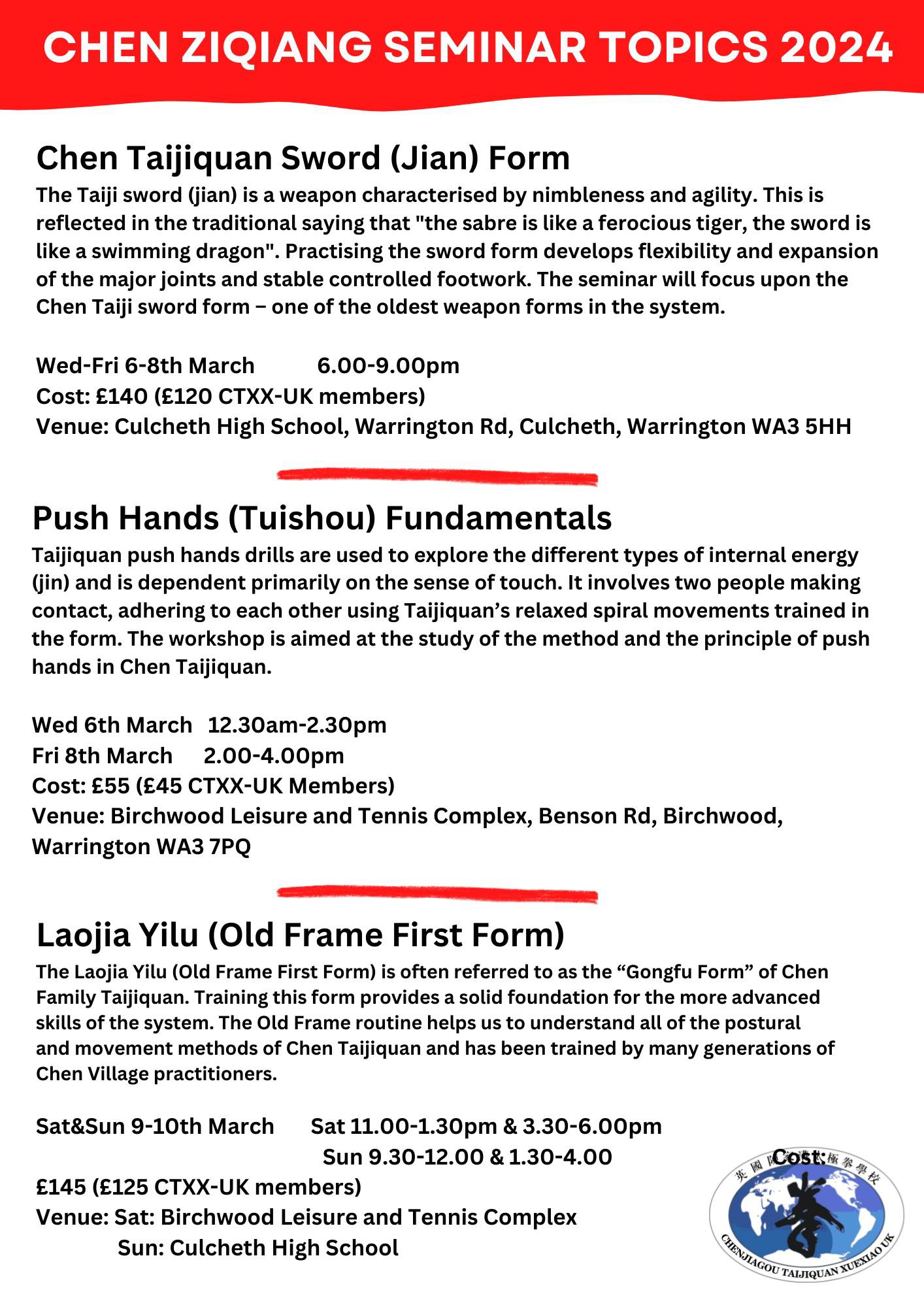
Chen Zhiqiang, Chief Coach of the Chenjiagou Taijiquan School and eldest son of Grandmaster Chen Xiaoxing, will be back in the UK this March with seminars covering Push Hands, Straight Sword (Jian) Form and Lao Jia Yilu.
Download the PDF here or contact David Gaffney (details on the flyer below) to book yourself a place.

 In September 2015 Ling Shui opened the doors on our Saturday morning Bamber Bridge class for the very first time. Since that humble beginning, we've moved location three times, weathered a global pandemic and openend up another five weekly classes in various locations.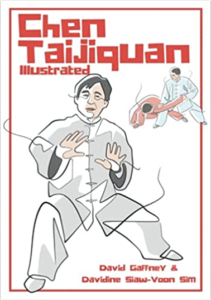
 While it's the quality of your practice that really matters, it doesn't hurt to look good while you're at it. To that end, we thought we'd milk the 10th anniversary concept for all it was worth and have put together some rather glamorous t-shirts and hoodies to set you apart from the hoi polloi. You'll find details and an order form here in our members area.


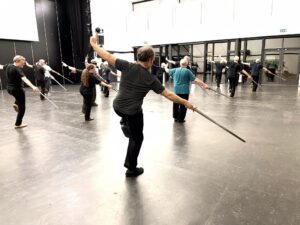 Master Chen Ziqiang visited the North West as a guest of


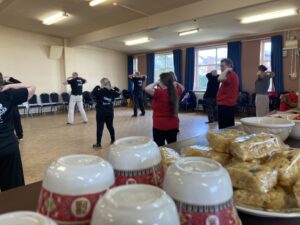 Each year we like to mark the advent of the lunar New Year with a day of Tai Chi related events. This year was no different and started at 10am on New Year's Day with a 2 ½ hour Tai Chi session involving silk reeling exercises, a little Zhan Zhuang meditative standing and practice and correction of Lao Jia Yilu section 1.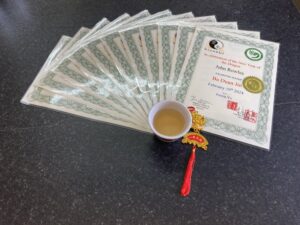
 left gathered for a couple of drinks before heading to Tang TV Chinese Restaurant in Preston for a fantastic banquet.